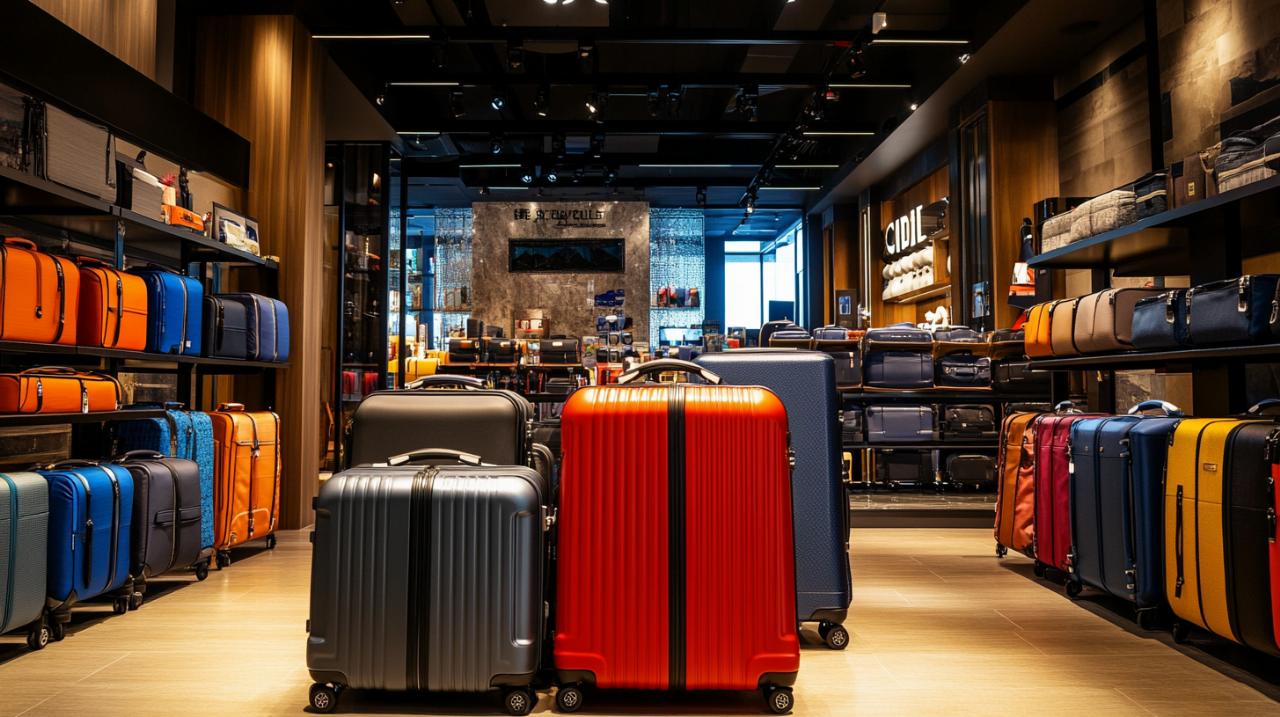
Choosing the right luggage for your next adventure can feel overwhelming when you're faced with countless options and conflicting advice. For those who demand both capacity and resilience, a 100-litre suitcase represents a significant investment in your travel future. Whether you're heading to the peaks of the Lake District or planning a multi-week expedition further afield, understanding what separates exceptional luggage from merely adequate gear becomes essential for any outdoor enthusiast.
Understanding Your Requirements: What Makes a 100-Litre Case Right for Adventure
The decision to invest in a 100-litre suitcase shouldn't be taken lightly, as this size category represents a commitment to serious travel. Unlike smaller cases that might suffice for weekend breaks, this volume class caters specifically to extended expeditions where you'll need to transport substantial quantities of outdoor equipment alongside your everyday essentials. The sheer capacity allows you to pack everything from sleeping bags and camping gear to hiking equipment and multiple layers of clothing without resorting to creative compression techniques or leaving essential items behind. This makes such luggage particularly valuable for those who pursue outdoor activities across varied terrain and weather conditions.
Capacity considerations for extended expeditions
When evaluating whether a 100-litre capacity suits your needs, consider the nature of your typical journeys and the equipment they demand. This volume proves ideal for mountaineering trips where you'll need climbing equipment, snowsports holidays requiring bulky gear, or multi-week expeditions to remote locations. The advantage lies not just in raw space but in the flexibility to pack without constantly weighing compromises between necessity and convenience. Many travellers find that whilst smaller rucksacks and duffel bags offer portability advantages, they simply cannot accommodate the full range of gear required for serious outdoor pursuits. The North Face Base Camp models and Patagonia Black Hole series demonstrate how manufacturers have responded to this need, offering substantial volume sizes that range from 40 litres through to 100 litres and beyond, allowing adventurers to select precisely the right capacity for their requirements.
Durability Standards for Rugged Terrain and Outdoor Conditions
The harsh realities of outdoor travel demand exceptional construction quality from any luggage claiming to serve adventurers. Water-resistant materials form the foundation of reliable travel luggage, with recycled polyester and ballistic nylon emerging as preferred choices among outdoor brands. These fabrics resist abrasion from rough handling whilst offering reasonable protection against the elements. Welded seams provide superior water resistance compared to traditional stitching, creating barriers that prevent moisture ingress during unexpected downpours or when your luggage encounters puddles on station platforms. Heavy-duty zippers represent another critical component, as these fasteners endure constant stress and must function reliably even when packed to capacity. The distinction between budget options and premium duffel bags often becomes most apparent in these construction details, where manufacturers either commit to robust materials and proven designs or opt for cost-saving measures that compromise longevity.
Essential features that define quality luggage for active blokes
Beyond basic capacity and construction, several specific features separate truly functional travel gear from disappointing purchases that leave you struggling at airports and trailheads. The best large-format cases incorporate thoughtful design elements that reflect genuine understanding of how outdoor enthusiasts actually use their luggage. These practical features transform unwieldy loads into manageable cargo, making the difference between exhausting travel days and reasonably comfortable journeys.
Wheel construction and manoeuvrability across varied surfaces
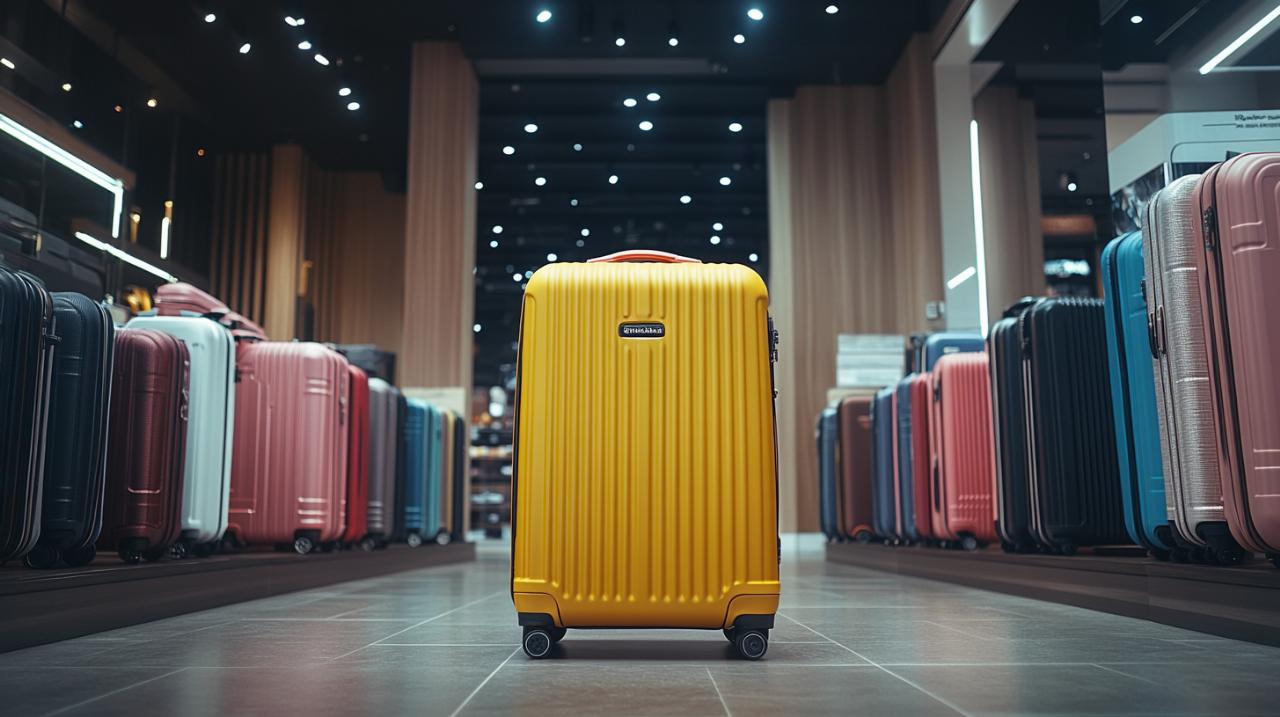
Whilst wheels might seem a straightforward component, their design profoundly affects how your luggage performs across varied surfaces. Quality wheel construction enables smooth transport convenience across polished airport floors, rough car park tarmac, cobbled streets, and uneven pavements without constant wrestling with your case. Larger diameter wheels typically offer superior performance over obstacles and rough terrain compared to smaller alternatives that catch on every imperfection. The mounting system matters equally, as wheels must withstand repeated impacts and the substantial weight of fully packed luggage without loosening or breaking away from the case body. Many travellers discover too late that inadequate wheels render even well-constructed luggage frustratingly difficult to manoeuvre, particularly when rushing for connections or navigating crowded transport hubs. The ease of transport becomes paramount when you're moving substantial weight, making wheel quality a non-negotiable consideration rather than a secondary concern.
Compartment Design and Organisational Systems for Gear Management
Internal organisation transforms chaotic packing into systematic gear management, allowing quick access to specific items without unpacking your entire case. The North Face Base Camp Voyager Duffel exemplifies well-organised design with dedicated compartments that separate clean clothing from used garments, protect delicate equipment from heavier items, and provide secure storage for smaller accessories that might otherwise vanish into the depths of a cavernous bag. Multiple access points allow you to reach different sections without disturbing carefully packed contents, whilst internal pockets keep documents, electronics, and valuables secure and readily accessible. This thoughtful approach to organisation proves particularly valuable for outdoor pursuits where you might need to locate specific climbing equipment or access layers quickly in response to changing conditions. The alternative, a single undivided cavity, forces you to treat packing as an archaeological excavation whenever you need something from the bottom of your case.
Striking the Balance Between Value and Performance in Large-Format Cases
The relationship between price and quality in travel luggage rarely follows a simple linear progression where spending more automatically guarantees proportionally better performance. Understanding where manufacturers invest resources and which features genuinely enhance functionality helps identify options that deliver genuine value rather than simply commanding premium prices through brand recognition alone.
Material quality versus price point: finding your sweet spot
The materials used in luggage construction directly influence both durability and cost, creating a spectrum of options from budget-friendly choices to premium selections using recycled fabric and advanced waterproof technologies. Recycled polyester offers an increasingly popular middle ground, providing reasonable durability whilst appealing to environmentally conscious travellers who value sustainable materials. Patagonia Black Hole duffel bags demonstrate how recycled materials can deliver performance comparable to virgin fabrics whilst reducing environmental impact. At the budget end, options like the HYC00 Travel prove adequate for occasional use, though they typically sacrifice longevity and weather resistance. Premium materials such as ballistic nylon command higher prices but justify the investment through exceptional abrasion resistance and extended service life. The Gregory Alpaca series illustrates how some manufacturers achieve excellent value by focusing on practical features and solid construction rather than elaborate design elements or prestigious branding. Available in capacities including 100 litres, these bags offer substantial volume without the price premium attached to more fashionable alternatives.
Warranty Coverage and Long-Term Investment Considerations for Travel Gear
Viewing luggage purchases through a long-term lens reveals that initial cost represents only one component of total ownership expenses. Warranty coverage signals manufacturer confidence in construction quality whilst providing practical protection against premature failure. Osprey Transporter bags exemplify this commitment with comprehensive warranties that cover manufacturing defects, offering peace of mind that extends years beyond purchase. The weight-to-volume ratio emerges as another crucial consideration for frequent travellers, as unnecessarily heavy luggage consumes valuable weight allowances that could otherwise accommodate additional gear. Models like the REI Co-op Roadtripper achieve impressive capacity at minimal weight, maximising your packing potential without sacrificing structural integrity. Clearance discounts occasionally make premium options accessible at prices approaching mid-range alternatives, creating opportunities for savvy shoppers to acquire exceptional gear at reduced cost. The price range for quality 100-litre options typically spans from approximately sixty pounds for basic models to two hundred pounds for premium selections, with the optimal choice depending on your usage patterns, storage needs, and budget constraints. Investing in quality luggage that withstands years of demanding use ultimately proves more economical than repeatedly replacing inadequate cases that fail prematurely.
Comments are closed