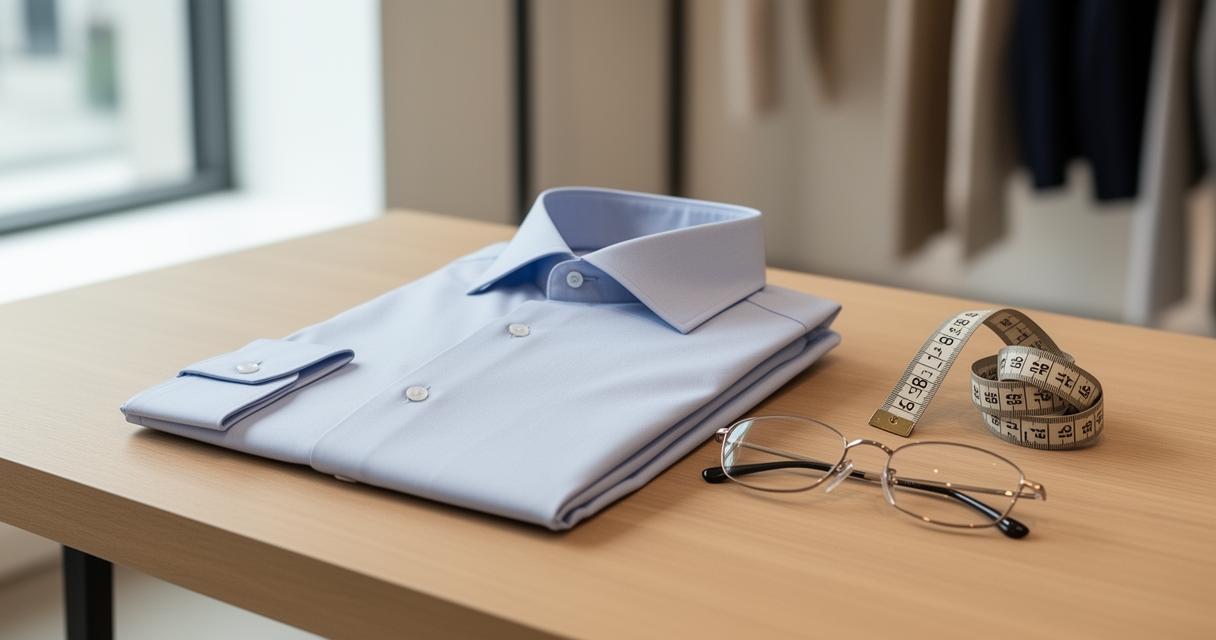
Dressing well shouldn't be a challenge dictated by your size, and finding the right shirt is one of the simplest ways to look sharp and feel comfortable every single day. Whether you're heading into the office or dressing for a weekend gathering, the details you choose, from the cloth against your skin to the way a cuff sits on your wrist, make all the difference. This guide walks through the practical decisions that help larger men build a wardrobe of shirts that fit properly, feel breathable, and genuinely suit their personal style.
In short
- Choosing natural, breathable fabrics like cotton or linen is essential for comfort and moisture management on larger frames.
- Incorporating a small percentage of elastane into fabric can provide necessary stretch without compromising on style.
- Selecting the right fit involves balancing structure with comfort, often by opting for a tapered waist or relaxed cut rather than overly boxy styles.
- Prioritizing correct shoulder seam placement and proper proportions is more effective than relying solely on label sizes.
- Measuring sleeve length from the center of the back to the wrist bone ensures a polished look that avoids bunching or appearing too short.
- Strategic use of patterns, such as vertical stripes, can help elongate the body and create a more flattering silhouette.
Fabric selection: prioritising comfort and breathability
The material of a shirt does more than determine how it looks; it dictates how it feels against the skin throughout a long day. For plus size men, this matters even more, since excess heat and restricted airflow can turn an otherwise stylish shirt into an uncomfortable burden. Choosing the right cloth is therefore one of the most important starting points when building a wardrobe that works with your body rather than against it.
Natural fibres versus synthetic materials for plus size gentlemen
Cotton remains the gold standard for larger frames because it breathes well, absorbs moisture, and softens with every wash. Linen is another excellent choice, particularly during warmer months, as its loose weave allows air to circulate freely and prevents that clingy, sticky feeling. Synthetic blends, on the other hand, often trap heat and can feel uncomfortable against the skin for extended periods, though a small percentage of elastane woven into cotton can actually be beneficial, as it adds a touch of stretch that helps the fabric move with your body instead of straining at the seams.
Understanding fabric weight and seasonal suitability
Lightweight fabrics are generally more forgiving for bigger builds because they drape rather than cling, creating a cleaner silhouette. Heavier fabrics like flannel or thick twill can be wonderful for cooler months but should be chosen carefully, as bulk can sometimes exaggerate size rather than flatter it. A good rule of thumb is to match the fabric weight to the season and to your own comfort levels, always favouring breathability over thickness when in doubt.
Finding the Perfect Fit: Flattering Cuts for Larger Frames
Fit is arguably the single most transformative factor in how a shirt looks on a larger body. A shirt that is too tight will pull uncomfortably across the chest and stomach, while one that is too loose can create unwanted bulk and hide your natural shape entirely. The goal is always structure without restriction, and understanding your own body shape is the first step towards achieving that balance.
Tailored versus regular fit: what works best for your body shape
Tailored fits, sometimes labelled as athletic or modern fit, can work beautifully for men who carry weight through the chest and shoulders but want a slimmer waist. However, for those with a rounder midsection, a regular or relaxed fit through the body paired with a slightly tapered waist often creates the most flattering line, avoiding the boxy look that comes from an overly generous cut. It's worth trying several styles from the same brand, since sizing and proportions can vary considerably between different plus size shirt for men ranges.
Avoiding common fitting pitfalls in plus size menswear
One frequent mistake is buying shirts based purely on the number on the label rather than trying them on properly, since plus size ranges often adjust proportions rather than simply scaling up a standard pattern. Another pitfall is ignoring shoulder seams, which should sit neatly at the edge of the shoulder rather than drooping down the arm or pulling too tightly. Paying attention to these small details, along with:
- the length of the shirt hem
- the room through the back panel
- the positioning of the buttons across the chest
can prevent the frustration of a shirt that looks fine on the hanger but disappoints once worn.
Sleeve length mastery: achieving polished proportions
Sleeves are often overlooked, yet they carry enormous weight in determining whether an outfit looks put together or simply thrown on. For larger men, sleeves that are too short can appear as though the shirt has been outgrown, while sleeves that are too long bunch awkwardly at the wrist and disrupt the entire silhouette.
Measuring for proper sleeve length: a step-by-step guide
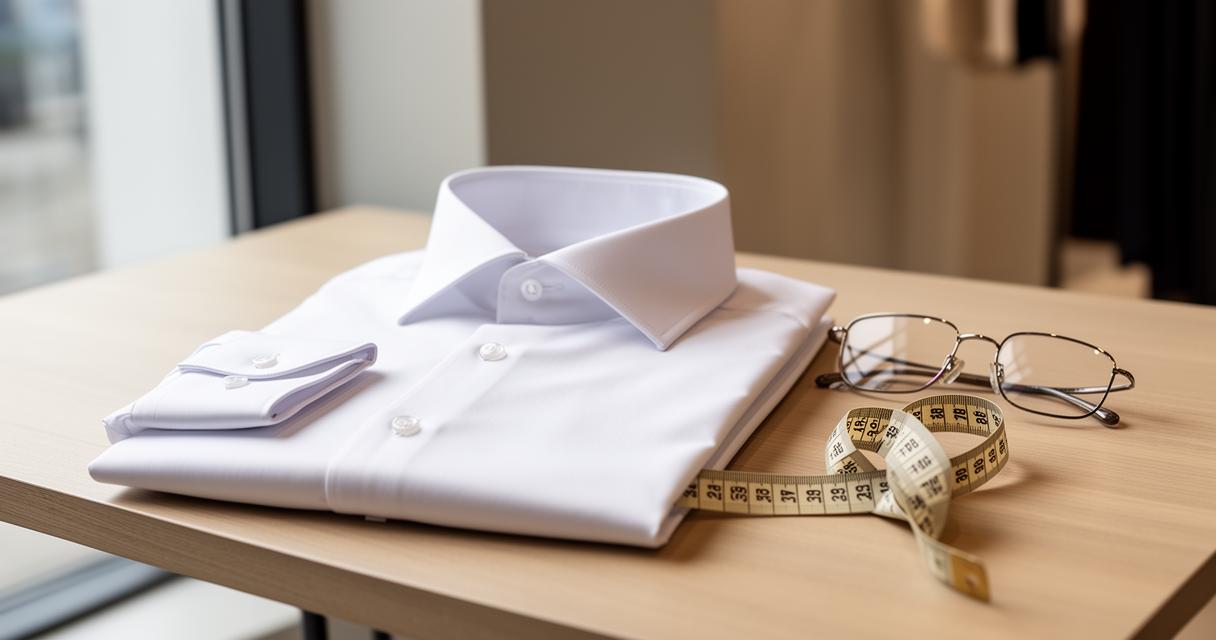
To find your ideal sleeve length, start by measuring from the centre of the back of your neck, across the shoulder, and down to the wrist bone, keeping your arm slightly bent as you would when standing naturally. The sleeve should end just past the wrist bone, allowing a small amount of cuff to peek out from beneath a jacket sleeve when one is worn. Taking this measurement properly, ideally with the help of another person, removes much of the guesswork involved in online shopping.
Short Sleeve, Long Sleeve, and Roll-Up Options for Different Occasions
Short sleeve shirts are a practical choice for warmer weather or casual settings, provided the sleeve hem sits at a flattering point on the upper arm rather than digging in. Long sleeve shirts offer more versatility, particularly when the cuffs can be comfortably rolled up for a relaxed look during informal occasions. Roll-up sleeves with a button tab are a particularly useful feature, allowing the same shirt to transition effortlessly between a smart daytime look and a more laid-back evening style.
Beyond fabric, fit, and sleeve length, it's worth remembering that pattern choice and colour also play a significant role in how a shirt flatters a larger frame. Vertical stripes and subtle patterns tend to elongate the body, while colours that complement your natural skin tone can brighten your overall appearance far more than plain block colours alone. Bringing all these elements together, thoughtful fabric selection, a fit tailored to your shape, careful attention to sleeve length, and complementary patterns and colours, creates a wardrobe that feels comfortable and looks genuinely stylish, proving that great menswear truly comes in every size.
Comments are closed